Venue styling

Styled for the way an evening unfolds

North Elune is a Canadian event agency that approaches styling as quiet preparation: tactile tables, soft textiles, floral detail, warm lighting, and considered table moments that help a room feel ready to receive people. Across private celebrations, brand nights, dinner events, and elegant casino-themed experiences, the aim is intimate, composed, and practical rather than lavish or theatrical.

A room need not be busy to have a point of view. Cream surfaces, wood tones, linen, candlelight, and restrained colour can create a coherent atmosphere guests feel as they arrive, gather, dine, and linger.

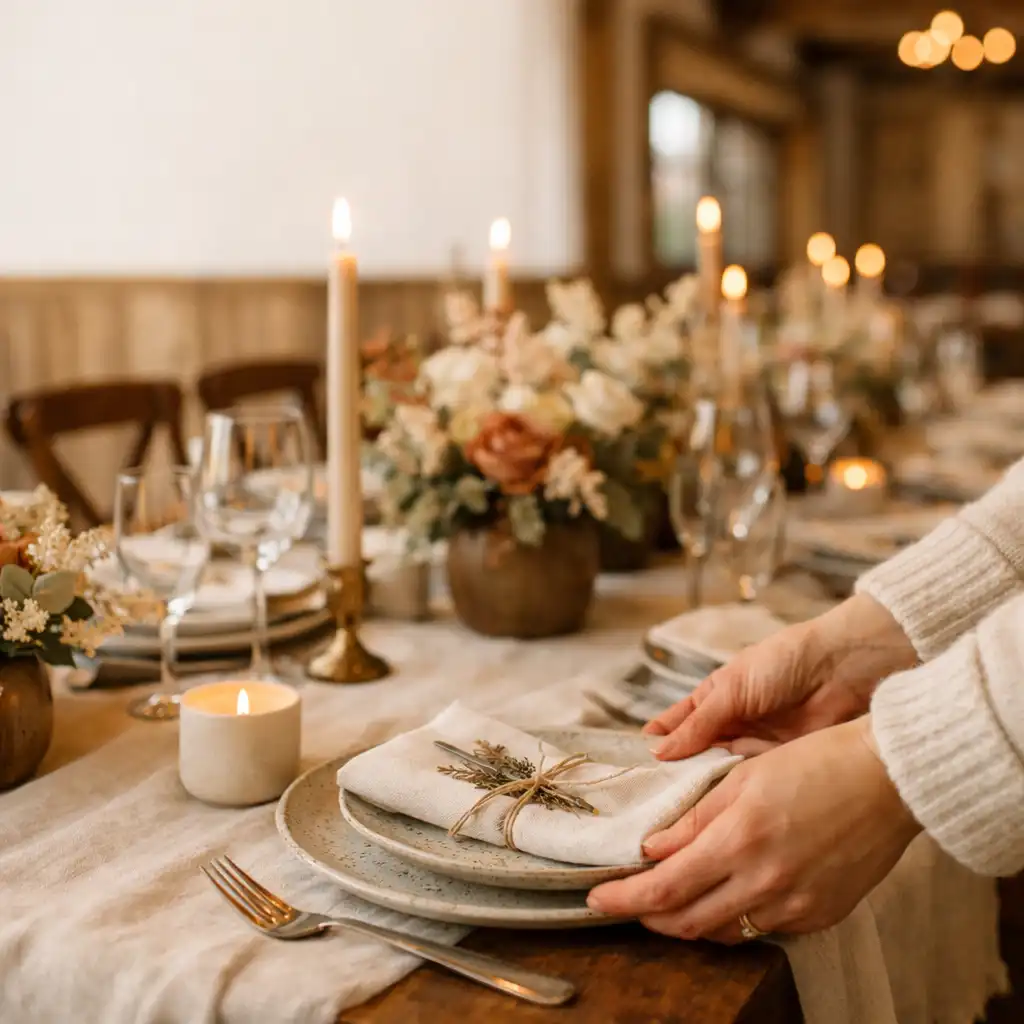
Hands making a final adjustment to a candlelit dinner table with cream linen and glassware

Our point of view

The atmosphere begins with what guests notice without naming

Styling choices are guided by the small signals that make a space easier to enter and more comfortable to share. They are held together with enough discipline to feel intentional, while leaving room for the people and purpose of the evening.

Warmth before spectacle

We begin with welcoming cues that allow guests to settle in: softened light, natural texture, and visual restraint that lets conversation remain central. A low glow near a table or a tactile surface at arrival can make a setting feel attended to without asking the room to perform. The intention is to support a sense of arrival, not to make styling the loudest guest.

A palette that gives the room room to breathe

Milk-toned neutrals, timber contrast, muted greens, selective terracotta notes, and tactile neutral surfaces form a calm framework. Rather than matching every item exactly, we look for tonal layering that can connect tables, florals, stationery-like details, and the venue already there. Colour becomes a quiet way of carrying one visual thought across the room.

Details that serve the evening

Place settings, candle groupings, flowers, and surface choices are considered for the wider rhythm of hosting as well as the close-up view. Sightlines matter around a table; comfort matters where guests gather; and a finished feeling can come from a few connected details rather than visual clutter. Each element is there to support the room, not compete with it.

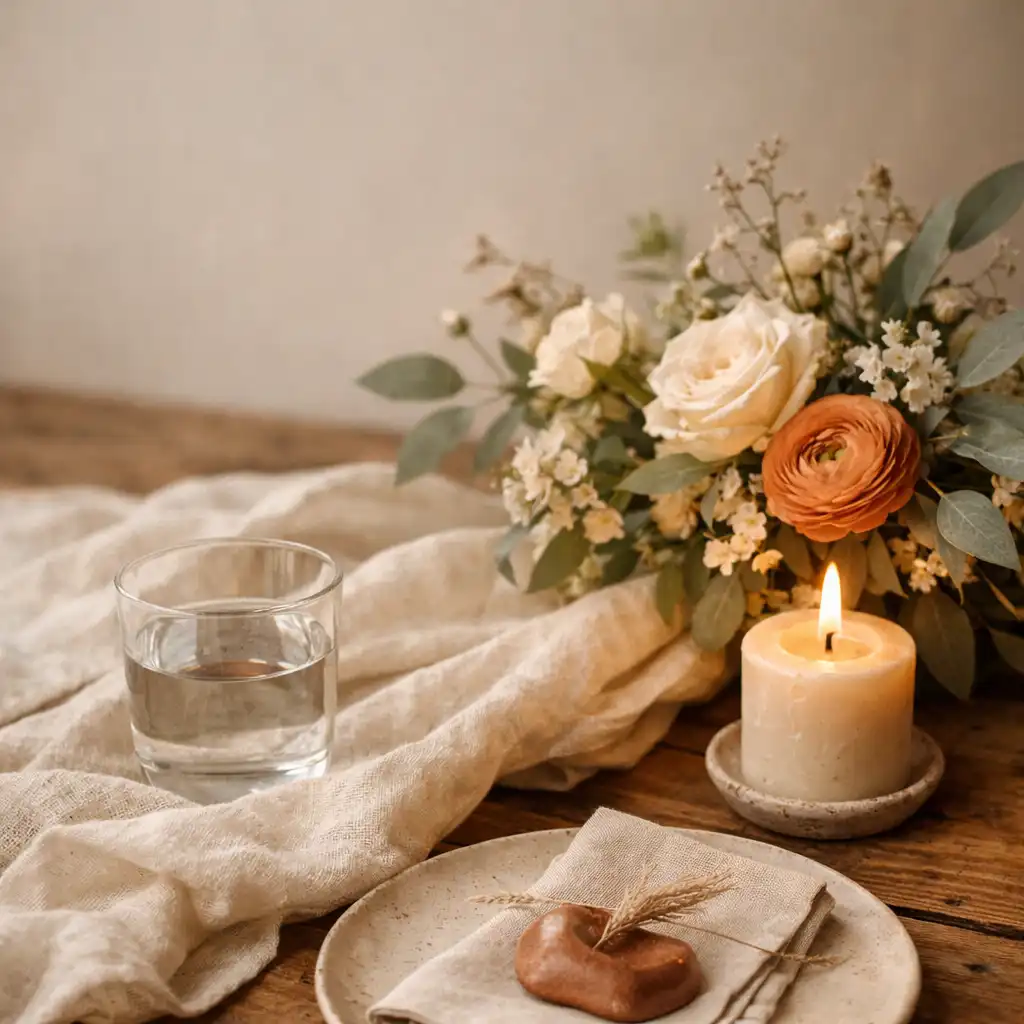
Ivory linen, a candle, clear glassware, and low florals arranged on a timber event table

Material language

The materials of a softly hosted room

The room takes shape through layers that feel good at a distance and at a place setting. These are not requirements for every event, but useful ways to think about atmosphere.

01

Linen and soft textile

Fabric can soften harder venue surfaces and make a table feel inviting at close range. Drape, layered napkins, and natural-looking texture introduce visual calm without relying on a fixed fabric inventory. The effect comes from the relationship between materials and the room, not from making every surface identical.

02

Candlelight and low glow

Where appropriate, grouped light sources can bring warmth to tables and transitional areas without making a room feel overstaged. Existing venue light is part of the picture, as is the changing pace from arrival through dinner. A considered glow can help the setting feel settled as the evening moves.

03

Florals with movement

Florals can add softness, seasonal character, and gentle variation in height. Their role is often less about a single statement and more about creating a living accent among quieter surfaces. Table conversation and sightlines remain important, so movement and detail can be present without taking over the shared view.

04

Glass, timber, and table detail

Reflective glass, warm wood, and carefully selected table details can give a setting depth without visual clutter. Close-up moments carry the wider palette into a guest’s hands and line of sight. The focus is not on product specifications, but on the balance of material, light, and atmosphere.

Adaptable direction

Styling changes with the reason people gather

One visual point of view can shift in emphasis while keeping the hospitality of the room intact.

Gathering

Private celebrations

An intimate setting can place the people at the centre of the occasion in a room prepared for close conversation and shared moments. Tables, lighting, and personal details work together to make the atmosphere feel welcoming, held, and ready for the reason everyone has come together.

Explore event formats

Gathering

Brand nights

Brand-facing evenings can carry a clear sense of identity while remaining warm, easy, and human in scale. A cohesive visual direction helps the room and occasion speak to one another, allowing guests to encounter a considered atmosphere without turning the evening into a display of branding.

Explore event formats

Gathering

Dinner events

For dinner-led gatherings, the table becomes the evening’s centre. Layers of place setting, light, floral detail, and tabletop pacing can invite guests to sit, notice, talk, and stay present through the meal. The styling supports the close rhythm of dining without prescribing what every table must include.

Explore event formats

Gathering

Casino-inspired evenings

An elegant casino-themed experience can be shaped through polished tables, warm contrast, and composed card-table moments rather than loud novelty or generic nightlife styling. The card table becomes one part of a wider hosted atmosphere, balanced with tactile surfaces, gentle light, and a mature sense of occasion.

Explore event formats
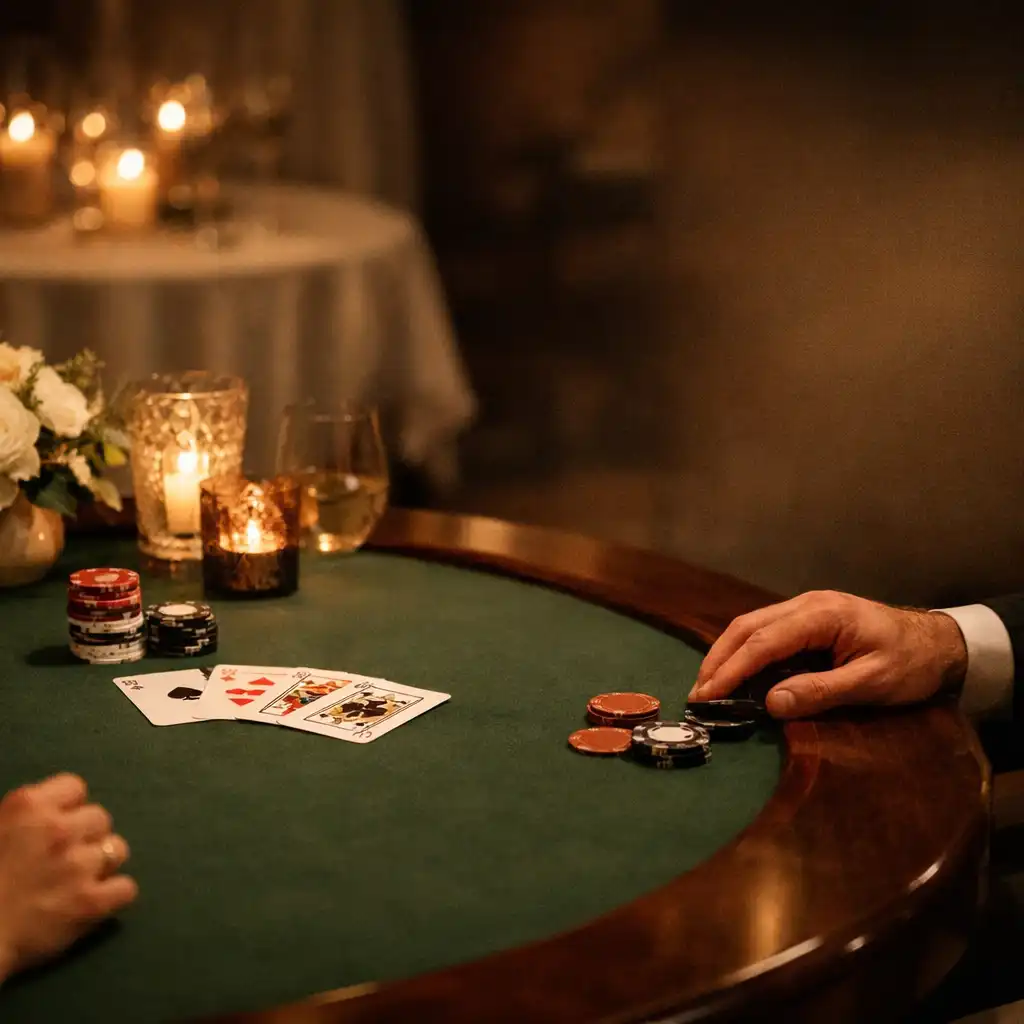
A refined felt card table with playing cards, candlelit glassware, and warm timber detail

Casino-inspired evenings

A polished table moment, without the noise

Card-table moments can sit naturally within a warm, grown-up evening when palette, materials, and lighting are held in balance. North Elune’s elegant casino-themed experiences favour polished felt, tactile table surfaces, candlelit glassware, and restrained contrast over high-gloss or visually noisy nightlife cues. The result keeps the playful detail present while allowing the room to remain calm, social, and carefully hosted.

A card table is treated as one hosted setting within the larger evening: part of guest arrival, lounge-like warmth, and the rhythm of the whole room, rather than an isolated visual gimmick.

Venue-aware styling

Reading the venue before styling the room

Visual decisions are easier to hold together when they begin with the place itself and the moments guests will move through.

1

Notice the existing character

We begin by noticing the venue’s light, material palette, scale, entry points, and natural points of gathering. These observations offer context for visual decisions, helping a direction belong to the room rather than compete with it. They are a way to read what is already useful and worth preserving.

2

Find the guest-facing moments

It helps to consider where guests arrive, pause, meet, sit, and move. Entry, table, and shared areas each hold a different kind of attention, and styling can support the evening’s rhythm across them. The focus stays on hospitality and flow: how the room makes space for people to gather with ease.

3

Build a restrained visual direction

Colour, texture, floral detail, lighting, and tabletop choices can then be brought into one composed direction suited to the occasion. Cohesive does not mean identical or over-designed. It means the details feel related enough that guests can experience the room as a generous whole.

A calm starting point

What helps a styling conversation begin

You do not need design language or a finished brief. A few ordinary details can be enough to begin.

The occasion and its feeling

Tell us what you are gathering for and how you want the evening to feel, in your own words. It can help to share whether the focus is a private celebration, brand night, dinner event, or casino-inspired evening, but an early sense of the occasion is enough to start a conversation.

The venue context you already know

You can share the venue or any details you already know about the room without needing a completed brief. Natural light, table areas, arrival space, and existing character are all useful context. Even a simple description of the place can help shape an initial styling conversation.

A few visual references, if useful

A small collection of images, materials, or remembered settings can help when it gives language to a mood or level of formality. References are conversation starters, not instructions to copy a scene. And if you do not have them, the conversation can still begin just as naturally.

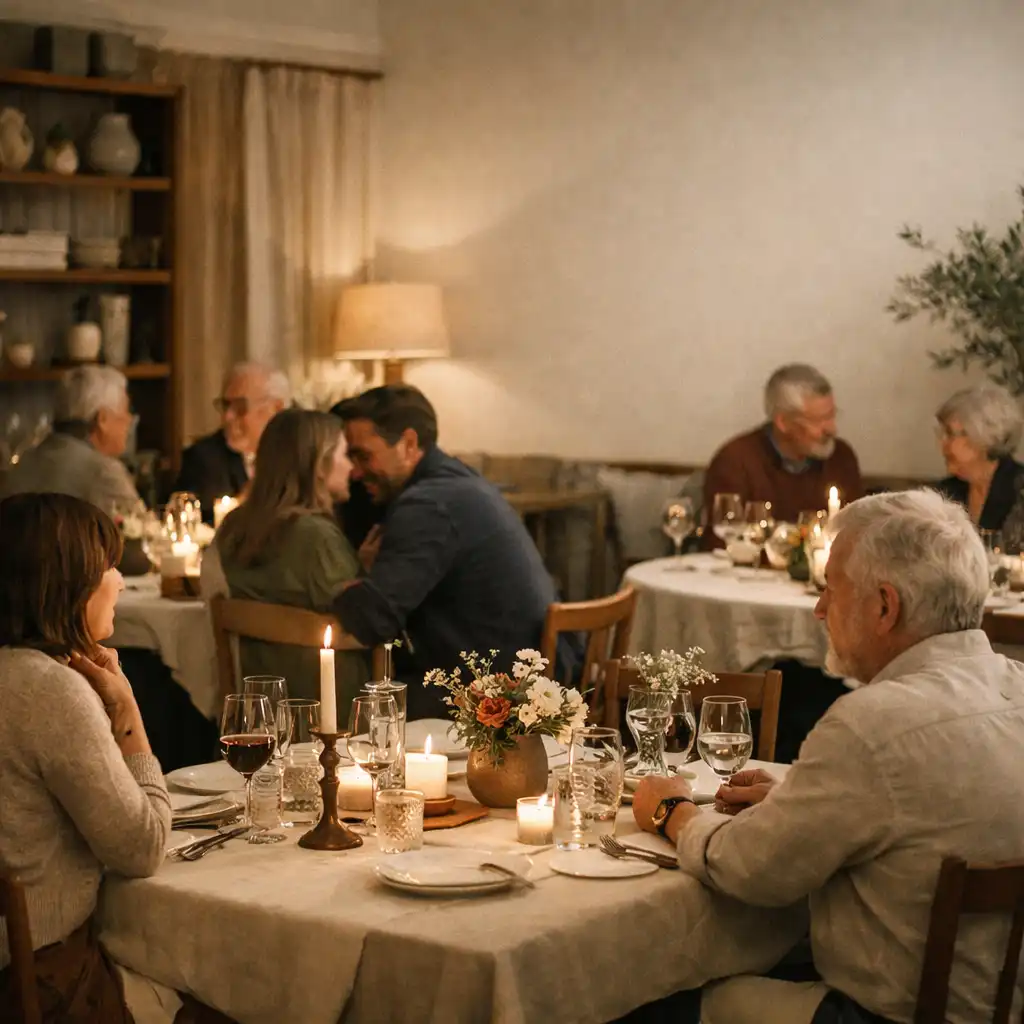
Guests conversing around warmly styled candlelit dinner tables in an intimate room

A connected atmosphere

Small decisions, held together

The room reads as one welcome

Repeated tonal and tactile cues can help separate areas feel connected while leaving the venue’s own character visible. Tables, gathering spaces, and transitions can each hold their own purpose while still belonging to a shared atmosphere. A full-room transformation is not the only route to a considered visual direction.

The table carries the close-up experience

The tabletop is where guests encounter texture, light, and detail at a personal scale. Linen, glassware, floral detail, or candlelight may each play a part, creating small moments of attention that connect back to the room around them without interrupting conversation.

The mood remains easy to inhabit

Restraint allows people, conversation, and the reason for gathering to remain visible within the styling. That is central to North Elune’s warm, carefully hosted gatherings: an atmosphere with care in it, but enough ease for guests to make it their own.

Practical questions

A few styling questions, answered plainly

These short answers offer a useful starting point. An enquiry can make room for the character of your own gathering.

View common questions

Start with an idea

Bring us the shape of the evening

North Elune is a Canadian event agency for warm, carefully hosted private celebrations, brand nights, dinner events, and elegant casino-themed experiences. Begin an enquiry with the occasion, the venue context, or simply the feeling you hope to create. Styling can be a calm first conversation about the room you have in mind.